This box is scrollable.
Genre Research Project:
Why is insulin so expensive in the United States, and what can be done to lower it?
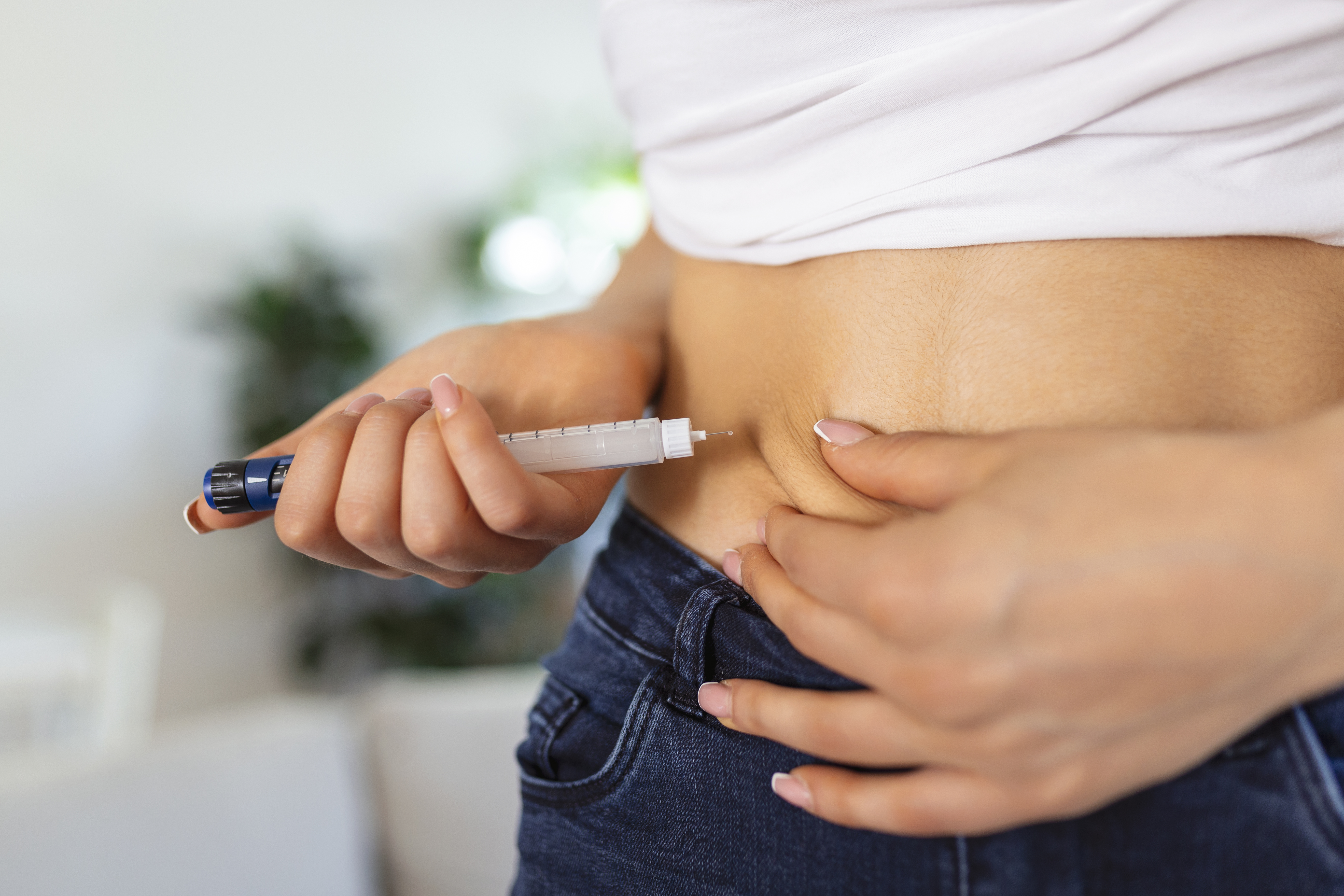
Pictured: a person injecting insulin with a specialized syringe.
These insulin-specific syringes are typically smaller than regular ones
and are marked with units of insulin to ensure the right dose is administered.
Introduction: What Insulin is, and Why it Matters
Insulin is a substance our bodies naturally produce. Secreted by the pancreas, it serves the vital function of regulating our blood sugar levels after we eat. This allows our bodies to convert said sugar -- also known as glucose -- to the energy we use in our day-to-day lives.
However, all bodies are not created equal. Some people are unable to produce the insulin they need, or they cannot utilize it properly, leading to dangerously high blood sugar levels (hyperglycemia). This condition is called diabetes, and it is one of the most common diseases in the world.
The Problem
Without being able to produce insulin, diabetic individuals are forced to source it elsewhere. A diabetic person will die of the aforementioned hyperglycemia if they cannot do so. While outstanding medical breakthroughs in the 19th to 20th century have allowed us to manufacture it artificially, there remains a dire problem: insulin is too expensive for most to afford.According to the CDC, about 38 million Americans are diagnosed with some kind of diabetes, including a disproportionate chunk of African-Americans and other people of color. While America is only the fourth leading country in terms of the disease's prevalence (which is still a lot, mind you), we harbor the highest insulin prices out of all countries: up to hundreds of dollars for a single vial, compared to just 3-21 dollars elsewhere!
A vial of insulin only costs 2-4 dollars to produce, meaning it can't be an issue of expensive manufacturing. Thousands of diabetes-related fatalities could easily be prevented if it was more financially accessible. Why is it so costly here, then? And how can we, as working-class, non-diabetic Americans who often feel powerless in our current sociopolitical climate, strive for a change?
These are the questions this website will seek to answer.
Continue Reading