This box is scrollable.
Genre Research Project:
Why is insulin so expensive in the United States, and what can be done to lower it?
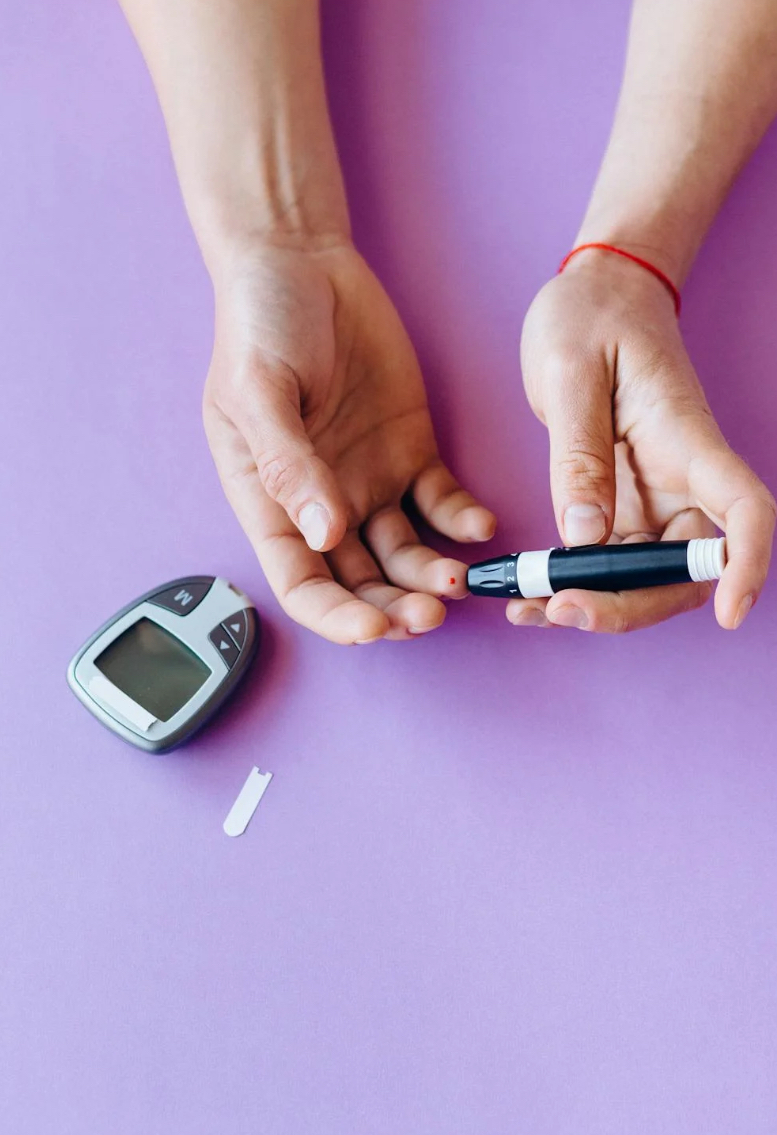
Pictured: A person using a lancing device, a pen-like device with
a small needle inside, to extract a small blood sample. A glucometer
then measures this blood sample.
Where Do We Go From Here?
Knowing all that we do about the major factors playing into this crisis, it's easy to fall into a pit of pessimism. After all, these aren't problems we can easily fix. We aren't wealthy politicians or lobbyists or PAC presidents, we're just people: people milling about in our nine-to-fives, going to the grocery store, to the post office, struggling with money, trying to get by and live fulfilled lives as well as we can, despite the misery marring our world. Lawmakers are asleep at the wheel and expensive insulin is devastating families nationwide. How do we begin to not feel hopeless? Is there even hope to be found?As it turns out, we are not actually as powerless as we think. "We the people" are a collective, and there is great strength to be found in numbers. Every drop in the bucket is part of the greater whole. We are only as weak as those who stand to profit off our complicity want us to think we are, so what changes need to happen, and what can we do to put those changes in motion?
Measures Against Monopolies
I mentioned in the previous section that there are already some laws in place to prevent monopolies from forming. However, their loopholes render them inadequate. To fill in the cracks, we ought to recognize them first by taking a look at these preestablished laws.Antitrust laws have been around since 1890 when the Sherman Act was passed. This act outlawed anti-competition measures that sought to limit consumer choice. The Clayton and Federal Trade Commission acts followed in 1914 and built on the ideas established by the Sherman act; limiting mergers and "deceptive acts or practices in or affecting commerce" respectively.
While these acts do prevent certain kinds of monopolies, they fail to prevent others. These exceptions include:
- When the local government of an area franchises a business to be the sole provider of a public good or service. (Portland OR's Trimet is a good example.)
- When it's just more efficient for one company to have the sole market share. (Called a natural monopoly)
- When a patent prevents other businesses from capitalizing off the good/service in question.
- When a certain business provides the best good or service across the entire market.
Streamlining Biosimilars
Since there isn't a true generic insulin on the market, another solution could be to introduce one. If nonprofit manufacturers of insulin were established, it would remove the profit incentive, introduce much-needed competition to the industry, and provide consumers with an affordable alternative to the medication they need.The patent loophole comes into play here as well; generic versions of drugs are only allowed to be manufactured after the brand-name patent has expired. Because of this, the loophole would need to be mended.
Better Government Oversight
Right now, aggressive lobbying from the pharmaceutical industry prevents the government from restricting prices. A potential solution for this could be to establish a government agency to act as an overseer, placing greater restrictions on PBMs, communicating with and advising insurers, placing caps to prevent price gouging, and generally keeping the best interests of consumers at heart.This is not a perfect solution, as no branch of government is immune to corruption. However, it would be a valuable step in the right direction, and lobby groups for policies standing to benefit from this change exist today.
What We Can Do
Now that we know what changes to strive for, we must now consider the many ways in which we can go about advocating for those changes within our realistic abilities.- Vote, vote, vote! We live in a democracy -- flawed though it is -- and voting is one of the few powers we hold as working-class adult citizens. Last year, only around half of registered voters actually cast their vote during election season. Show up to the polls. Support policies and politicians in favor of affordable healthcare. Embody the change you wish to see.
- Call your representatives. Write a script if you have to. Encourage those around you to do the same. This is a tried-and-true method of protest for a good reason.
- Be there for each other. We can't always be activists, but we can always support one another in our community. Have a diabetic loved one? Consider assisting them with diabetes-related expenses or errands. Listen to their needs. A shared burden is only half a sorrow.
Conclusion
Back